Neurological
Facial movement disorders physical therapy
Changes in facial movement can have different causes and need diagnosis-specific care.
Dr. Valeria DaCosta, PT, DPT, provides one-on-one assessment and rehabilitation for children and adults. Your plan is based on your movement, medical precautions and the activities that matter to you.
In-home care in the approved service area. Virtual visits depend on clinical suitability. No fixed recovery timeline is promised.
Understanding your needs
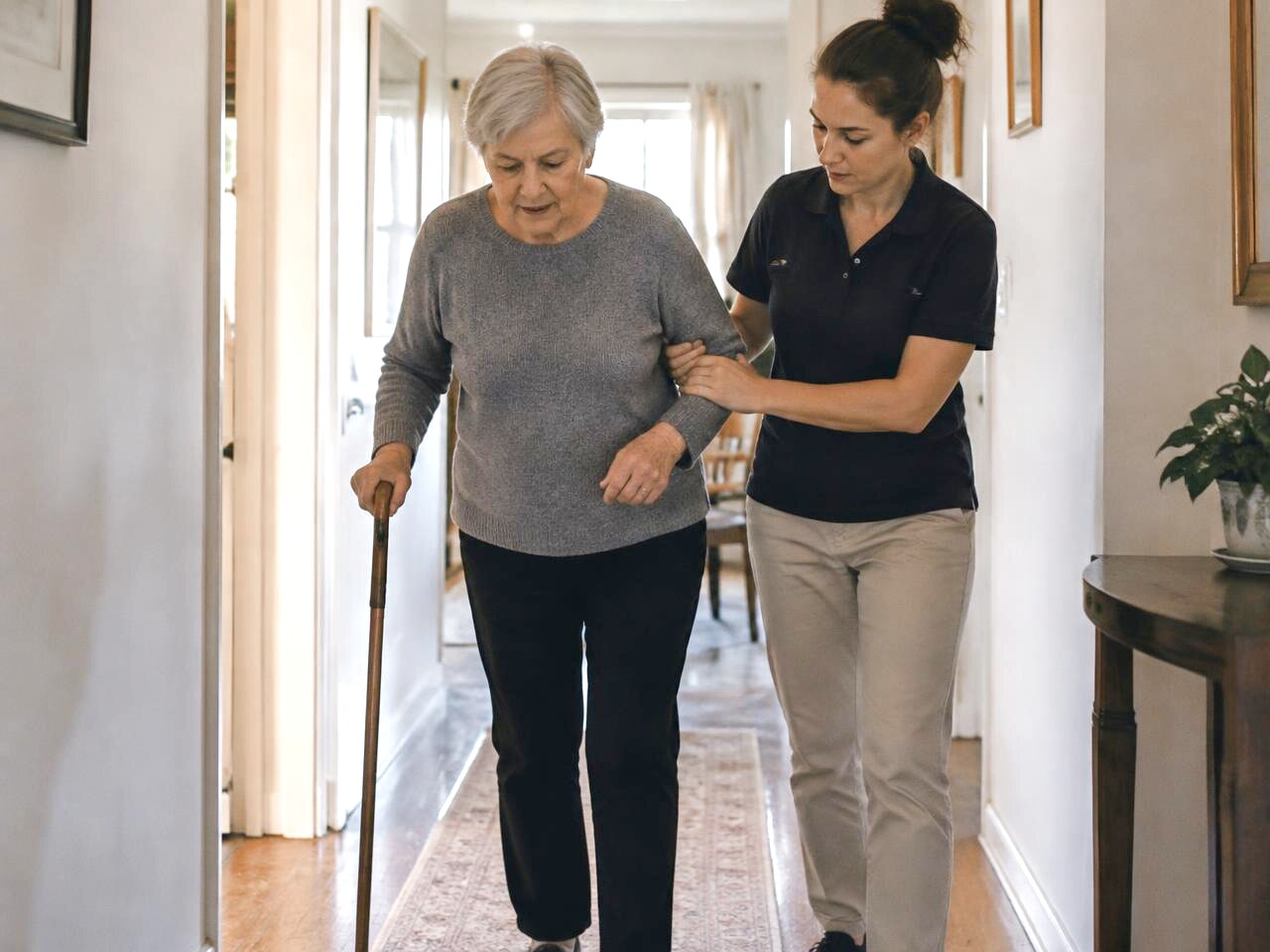
Your evaluation considers comfortable movement, strength, tolerance for activity and the demands of your everyday environment. Relevant medical instructions help determine safe next steps.
An individualized plan
Depending on your evaluation, treatment may include carefully selected movement retraining and coordination. Progress is reviewed regularly and exercises are adjusted to your response.
Care connected to daily life
We choose practical goals together and work with the space and routines you use at home. Exercises, education and functional practice are selected for your current abilities, not a standard program for everyone.
VITALIS Neuro RecoveryPhysical therapy supports function and does not replace medical diagnosis or specialist care. Sudden neurological symptoms, chest pain or acute breathing difficulty require urgent medical attention.
About rehabilitation
Neurological rehabilitation for facial movement disorders uses repeated, meaningful practice to work on carefully selected movement retraining and coordination, adapted to fatigue and medical guidance.
Functional goals
- Improve balance and walking safety
- Increase independence in daily activities
- Make transfers easier and safer
- Support participation at home and in the community
Guidance for family members
- Encourage the person to do as much as safely possible on their own.
- Learn safe ways to help with transfers and walking.
- Plan rest breaks; fatigue can affect performance.
- Seek emergency care immediately for sudden new neurological symptoms.
Questions before starting
Can therapy help years after diagnosis?
Many people continue to benefit from targeted practice, though responses vary and no outcome is guaranteed.
Can family members join sessions?
Yes. Caregiver involvement is encouraged so practice continues between visits.
Is this care appropriate for me?
An individualized evaluation determines whether your needs fit the available service. Medical clearance or coordination with your treating team may be needed.
What should I have ready?
Choose a clear space and clothing that lets you move comfortably. Have relevant physician or surgeon instructions ready for the private clinical visit; do not enter medical details in the public scheduling form.
How much does a visit cost?
Fees depend on the program and visit type. Insurance & Pricing lists current self-pay rates and superbill information. Reimbursement is not guaranteed.